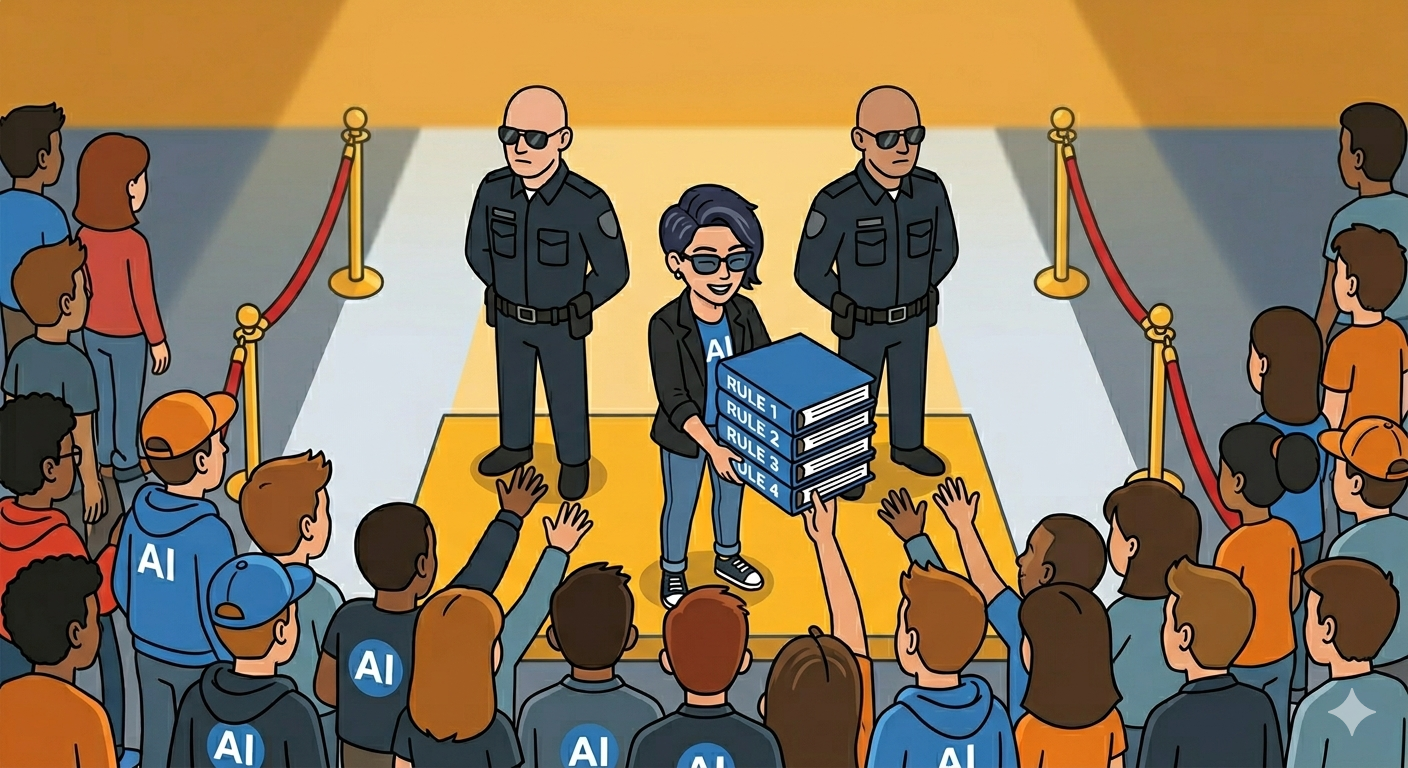
4 Rules Anthropic Founders use to ACTUALLY Pick What to Build with Claude
 Adam Neon
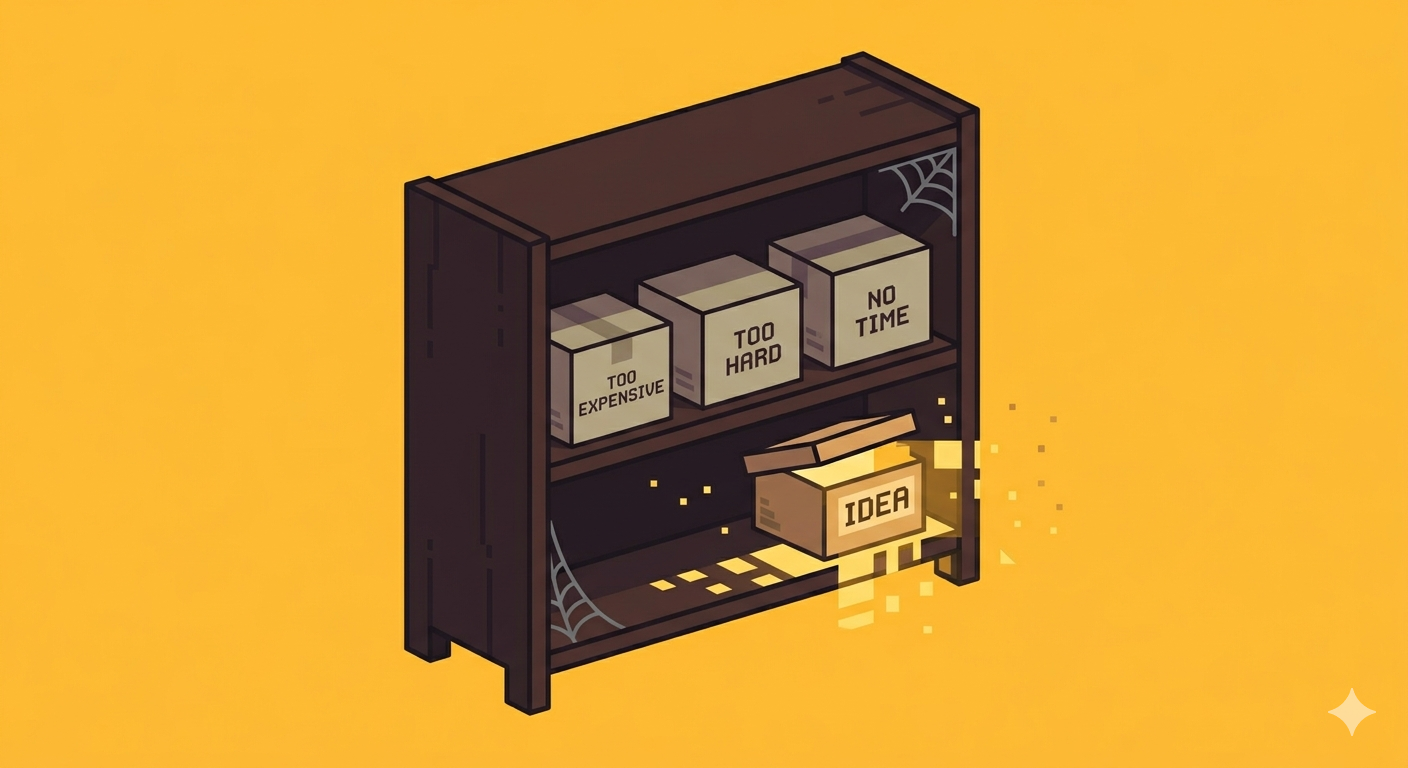
I’ve been thinking about this shelf the last few months. It’s a shelf that’s been really bugging me, I want to have time for it and I want to pick things from it, but up until now that time has elluded me.
It’s not a physical shelf, but a mental one. The one where ideas go to die. You know the shelf I’m talking about. Every business owner has one. Every developer. Every person who’s ever had a 2am flash of brilliance that felt too expensive, too hard, or too time-consuming to actually build.
I’ve got maybe 30 things on mine. An AI-powered deal flow analyser for my consulting clients. A content repurposing engine that takes one long-form video and spins it into 12 platform-native posts. A DJ set generator that reads the room’s energy from a webcam and picks the next track. All shelved. All with a little mental sticky note that says “maybe when…”
Turns out the founders of Anthropic — you know, that $60 billion company behind Claude — have been thinking about that shelf too. And they’ve got a framework for deciding what gets pulled off it.
Austin Marchese broke it down in a recent video, pulling from interviews with Dario and Daniela Amodei. Four rules. That’s it. Four rules that govern every build decision at one of the fastest-moving AI companies on the planet.
And the thing that hit me hardest? These rules aren’t just for AI labs. They’re for anyone building anything.
Rule 1: Recalibrate What’s Possible
Here’s what Dario Amodei said that made me stop the video and rewind:
“Software is going to become cheap, maybe essentially free. The premise that you need to amortize a piece of software you build across millions of users — that may start to be false.”
Read that again. The economics of building software have fundamentally changed.
Three things that used to kill ideas are suddenly irrelevant. Cost — the math doesn’t work the same way anymore. You don’t need a million users to justify building something. Domain expertise — AI gives anyone a “level one understanding” in almost any domain. Daniela put it simply: “I didn’t think I could build a website, right? And now using Claude, I’m like, ‘Oh man, that’s so easy.’” And time — Anthropic built Claude Co-work in a week and a half. Almost entirely with Claude Opus.
A week and a half.
So here’s the question: what’s on that mental shelf of yours that you left in a dusty old box because it was too expensive, you didn’t have the skills, or it would take too long to build, then tell everyone about, just to realise you have to spend even more time building & building…?
All three of those reasons might be dead.
Do a shelf audit. Right now. Open your notes app, your Notion, your journal, whatever you use — and look at the ideas you parked 12 to 18 months ago. The ones with the little sticky note. I bet at least half of them are buildable this week.
Next question: What are you excited to dust off and build now?
Rule 2: Kill Anything You Can’t Verify
This one’s uncomfortable.
Anthropic has a model called Mythos. It’s more powerful than Claude Opus. It’s ready. And they haven’t released it.
Daniela on why: “We’re just not confident enough yet. It’s irresponsible of us to release it until we are confident that all of the patching that needs to be done has been done.”
They killed their own most capable product — temporarily — because it failed one filter: can we verify this works reliably and safely?
Most of us never ask that question. We build something, it works once or twice, we ship it. Then it breaks in production and we’re firefighting at 11pm on a Thursday.
The Anthropic approach: define your verification criteria before you write a single line of code. What must the output look like to confirm this actually works? And here’s the practical bit — give Claude a way to verify its own work. Boris Cherny, the creator of Claude Code, says a feedback loop can 2-3x the quality of the final result.
One sentence. Add this to your prompts or your Claude.md file:
“Please provide a way to verify that the output is correct and works consistently before finalizing.”
🤔 Hmmm, so that’s it? One sentence that triples your output quality.
Not bad for free.
Apply this filter when the cost of error is high. Email automation going to your entire list? Financial analysis going to a client? Verify it or kill it.

Rule 3: Know Who You’re Building For — and Who You’re NOT Building For
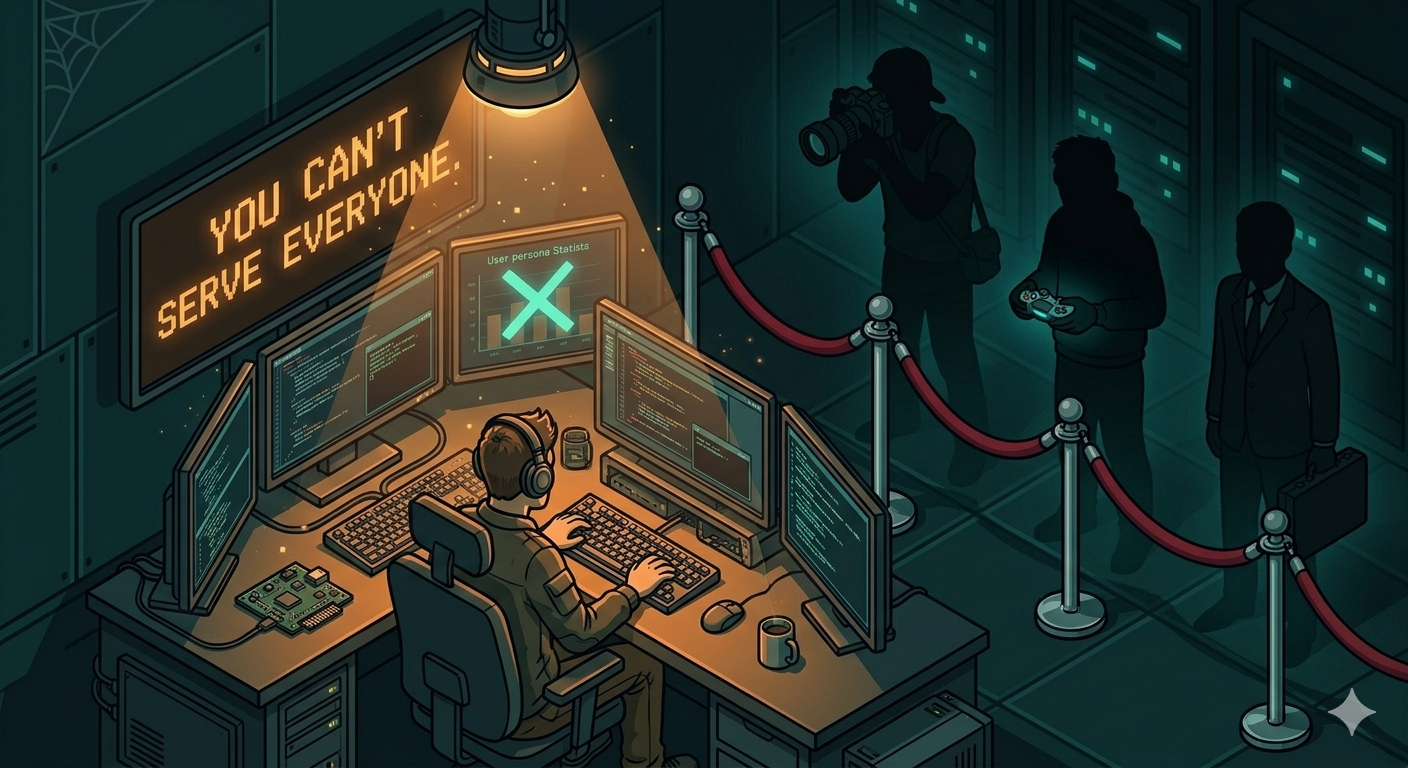
This is where most people get lost. They try to build for everyone. The result? Mediocre value for anyone.
Anthropic’s Ideal Customer Profile is developers. Full stop. Daniela: “I think in many ways developers are the most important users of Claude.”
And just as important as who they’re building for — who they’re explicitly NOT building for. Dario: “We don’t make models that generate images and videos.” That’s an anti-audience. A deliberate, public, strategic decision to NOT serve a massive market.
Why does this matter? Because every build decision compounds. When you know exactly who you’re serving, every feature deepens the relationship with that audience. Anthropic built for developers → attracted more developers → improved Claude → built Claude Code → grew 80x in Q1 2026. Against a 10x plan.
Eighty. Times.
If you don’t know who you’re building for, start with the inverse. Who are you NOT building for? What market are you explicitly walking away from? That clarity alone will make every decision faster and better.
Rule 4: Build Middle-to-Middle, Not End-to-End
Most people picture AI like this: prompt → AI does everything → output. End-to-end. Fire and forget.
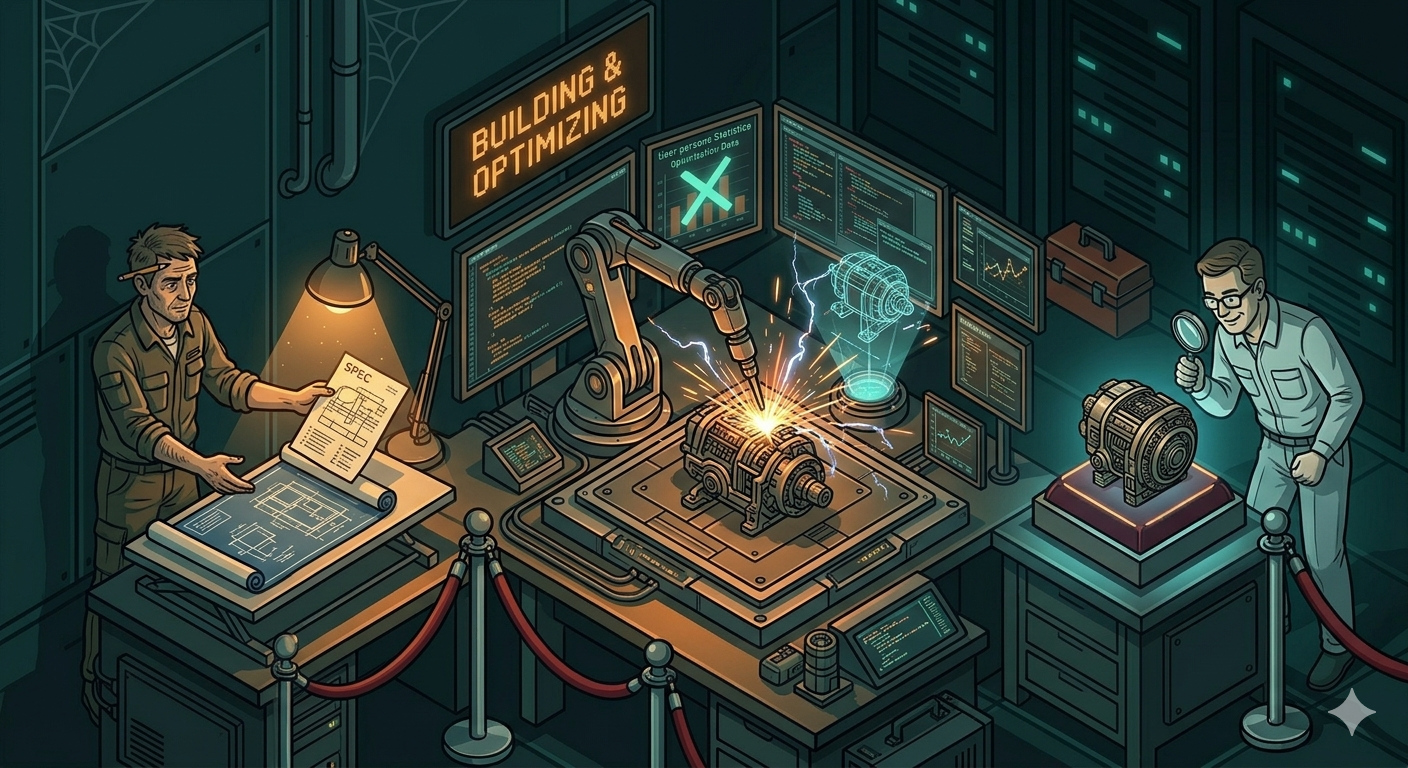
Anthropic uses a completely different model. Middle-to-middle. Human frames the problem at the start. AI does the routine work in the middle. Human reviews, judges, and signs off at the end.
Dario on why: “Comparative advantage is surprisingly powerful. Even if you’re only doing 5% of the task, that 5% gets super amplified and leveraged because the AI does the other 95%, and so you become 20 times more productive.”
You do 5%. AI does 95%. You’re 20x more productive. And you haven’t given up control.
This is exactly how Claude Code and Claude Co-work are designed. They assume a human at both ends. The AI is in the middle, doing the heavy lifting, but you’re the one framing the problem and judging the result.
The extreme counter-example? Autonomous weapons. End-to-end. AI identifies a target, AI decides to fire. No human in the loop. Anthropic refuses to support anything like it because the cost of error — loss of life — is too high.
Before you build anything, define those three zones. What decision or framing do you bring at the start? What routine work goes into the AI middle? And where do you step back in to review and sign off?
Here’s what I keep coming back to.
These aren’t AI rules. They’re thinking rules. Recalibrate what’s possible. Kill what you can’t verify. Know exactly who you’re serving. And keep yourself at both ends of the process.
The 30 things on my shelf? I just pulled three of them off. Because the cost math changed. Because I know how to verify the output now. Because I know who I’m building for — business owners and solopreneurs who want their time back. And because I’m not handing over the whole process. I’m framing the problem, letting AI do the 95%, and judging the result.
The shelf is getting lighter. What’s coming off yours?